
Hreflang configuration tool
Managing international SEO targeting across multiple country-and-language combinations is highly complex. To automate cross-region canonical indexation and prevent duplicate content penalties, we designed a proprietary Hreflang XML Sitemap Generator and Validator.
This tool bridges the gap between marketing spreadsheets and search engines by verifying every target locale URL before compilation.
Core Validator Operations
Our validator executes a 4-step check on every localized URL to ensure indexation compliance:
- Google Sheets Collaborative Data Source: The master international URL mapping table is housed in a secure Google Sheets sheet (Access Sample Spreadsheet), allowing multi-region marketing teams to update listings.
- Active Link Validation: The validator crawls every submitted URL to confirm a
200 OKserver response. Inactive or broken links are automatically filtered out. - Canonical Match Checking: It verifies the HTML canonical tag of the page. If the canonical tag is misconfigured or points elsewhere, the URL is flagged and excluded to prevent self-referential conflicts.
- Reciprocal Hreflang Verification: It confirms that every localized variant points back to its sibling languages, satisfying the requirement for bidirectional link validation.
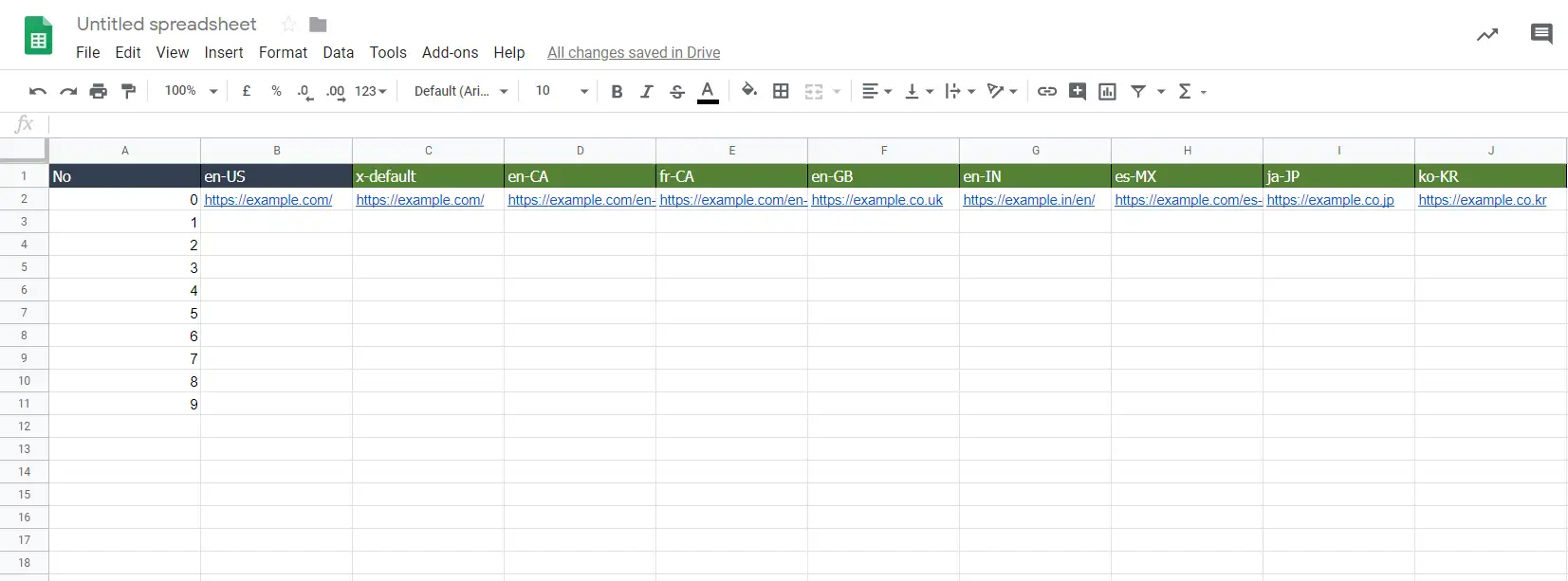
Generation and GSC Indexation
Once the crawl completes, the tool outputs a set of validated XML sitemaps ready for submission:
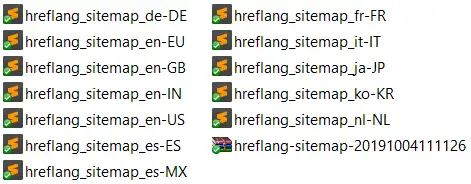
- Sitemap Submission: Upload the output XML sitemaps to Google Search Console under the Index/Sitemaps tab for each regional domain.
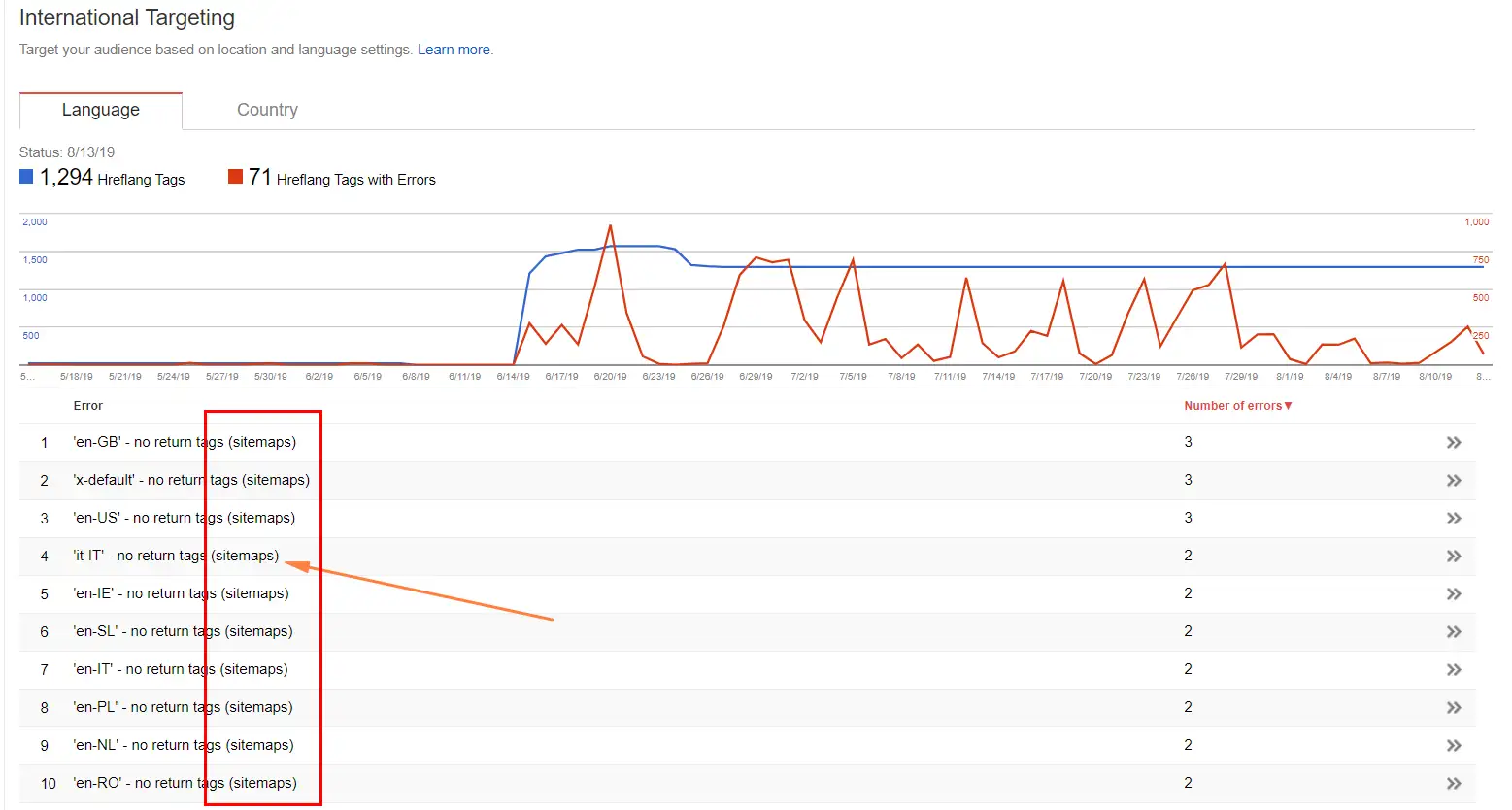
- Index Monitoring: Track sitemap processing and verified index URLs in GSC. Once indexed, GSC's targeting logs will verify the blue-line active state indicating that sitemap targeting is functional.
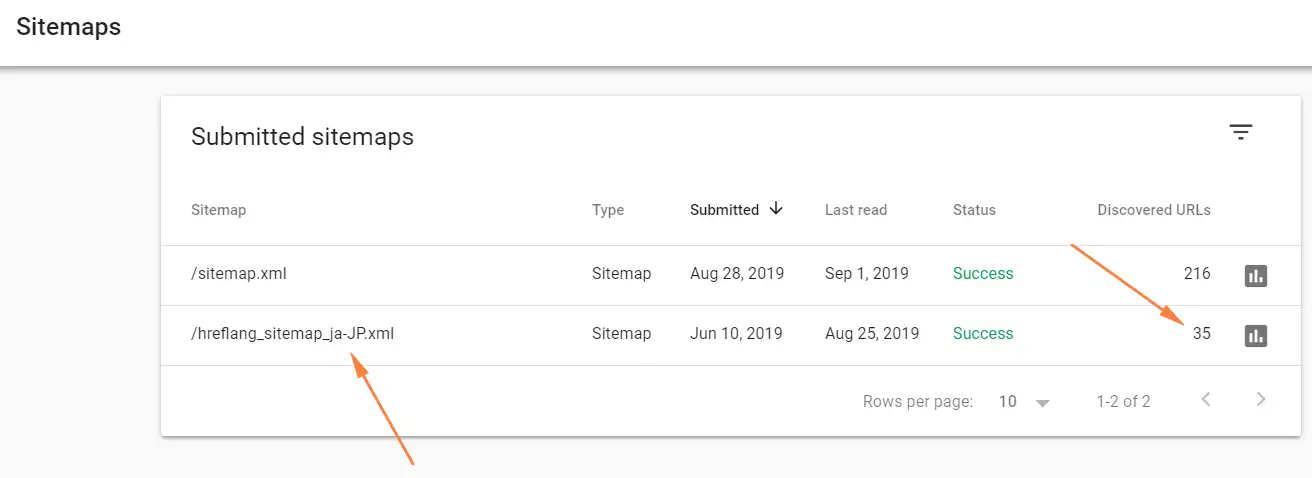
"Submit the XML sitemap to Google Search Console, and request quick validation of core entry pages via the URL Inspection tool to jumpstart crawling." Piotr
Modular Deployment
Our generator is packaged as a lightweight, dockerized container, enabling instant integration into CI/CD pipelines (e.g. Jenkins, GitHub Actions) or scheduled cron executions on enterprise cloud instances (AWS, GCP, Azure).